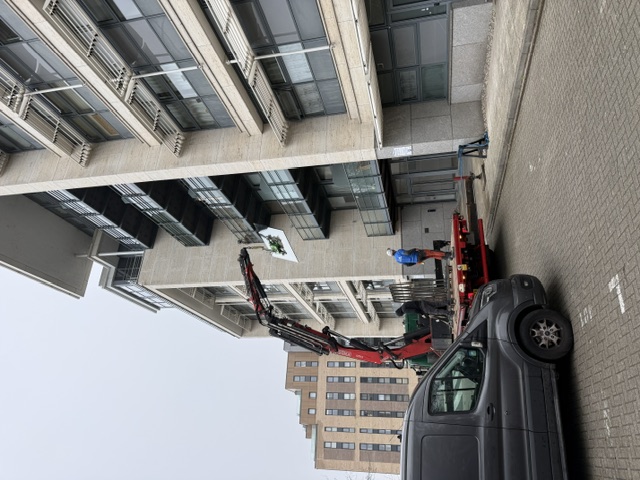
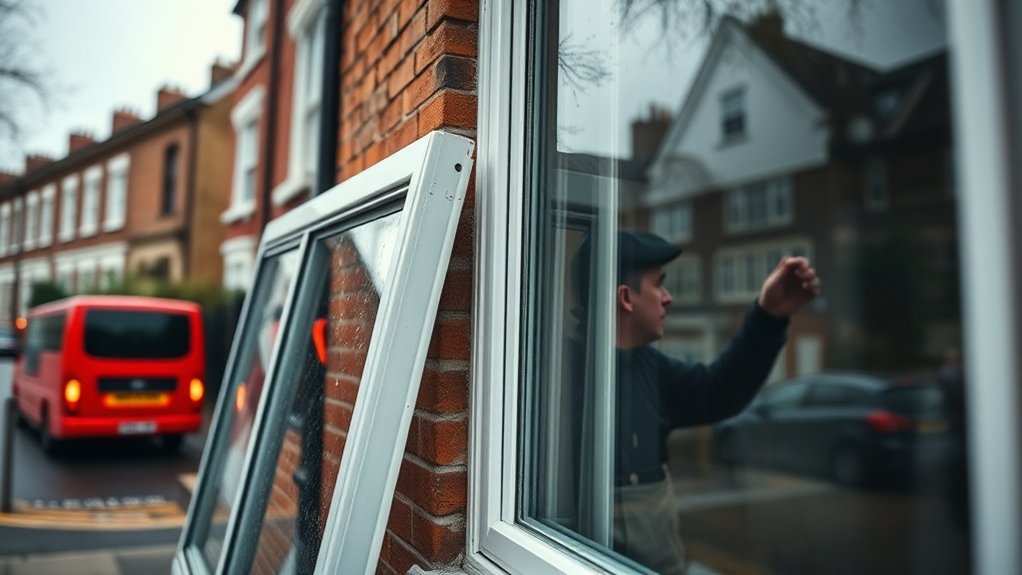
Replacing a double glazed unit in Wealdstone is the answer when a pane mists over, the edge seal gives out or the window has started leaking heat and letting in noise. Our glazier lifts the failed sealed unit out of the existing frame, measures the opening precisely and fits a new factory-made insulated glass unit built to your choice of glass, gas fill and coating. It costs a fraction of a whole new window, causes far less upheaval and brings the thermal and sound insulation back to modern standards. Below we cover how to recognise a failed unit, what it costs to replace and how to pick the right specification.
Key insights
- Double glazed unit replacement in Wealdstone normally means fitting a new sealed unit into your existing uPVC, timber or aluminium frame rather than replacing the whole window.
- Typical Wealdstone prices per unit sit around £120 to £400 supplied and fitted, with large or high-spec acoustic, laminated or triple-glazed units reaching £550 or more.
- Tell-tale signs are fog between the panes, a draught at the glass edge, more street noise than before and condensation that never clears from inside the unit.
- Keep costs down by retaining the frames, standardising the glass spec, using premium units only on the coldest or noisiest elevations and phasing the work.
What Double Glazed Unit Replacement Actually Involves
A double glazed unit replacement in Wealdstone leaves the window frame where it is. The failed sealed unit comes out and a new factory-built insulated glass unit goes in its place. The first job is deglazing: beads, gaskets and packers are removed in order so that no strain goes through the frame. The opening is then measured to the millimetre and the new unit is specified: glass thickness, cavity width, gas fill and low-E coating chosen to give the U-value and solar control you want. The replacement arrives edge-sealed, desiccant-charged and certified, is set on fresh packers that allow drainage, and the gaskets and beads are refitted before the glazier checks the window is airtight and the sightlines are true.
Signs Your Wealdstone, HA3 Double Glazing Has Failed
- Fog or droplets between the panes that stay put however well the room is ventilated.
- A draught at the edge of the glass even though the frame seals and gaskets look sound.
- Cold patches across the pane that you can feel by hand or pick up with an infrared thermometer.
- More traffic noise than before, despite good-quality frames that have not changed.
What to Do About Misted or Cloudy Double Glazed Units
Misted or cloudy units are common across Wealdstone's housing stock, but they are more than a cosmetic blemish. Condensation inside the unit means the edge seal has failed or the desiccant is saturated, and the insulation value is falling with it.
Note where and when the clouding shows, check the perimeter seals and drainage slots for blockages, and record the frame material and colour, because these limit which replacement units will fit. Then speak to a glazier who can test the units and check the spacer bars before recommending a fix based on evidence rather than guesswork.
Repair or Replace? Double Glazed Units in Wealdstone
When a unit fails in Wealdstone's damp climate, visible symptoms, frame condition, the state of the seal and the thermal performance all decide whether a targeted repair will do or only a new unit will.
Signs Repair Is Enough
A unit can be repaired rather than replaced when its core performance is still there: no mist between the panes, and any draughts or cold spots confined to the seals or hardware.
- The problem is limited to gaskets, hinges or handles, and the sash and frame are structurally sound.
- Draughts stop when you apply temporary tape or sealant, which points to a perimeter fault rather than the glass.
When Replacement Is Essential
Once a unit has lost its structural integrity or its core performance, replacement is no longer a choice. That point arrives when the sealed unit has failed for good: permanent internal condensation, cracked or delaminated glass, a distorted frame letting air through, or argon loss confirmed by thermal imaging. Replacement also makes sense when the old unit cannot support what you now want from it, such as a low-E coating, an acoustic laminate or security glass.
When to Replace the Whole Window, Not Just the Unit
Swapping only the failed unit is usually the economical fix, but some conditions call for a complete new window, particularly if you are planning extras such as solar films or decorative glass.
- Structural failure – Warped, rotten or corroded frames cannot hold a new unit securely, so air leakage and movement will return.
- Poor thermal performance – An old frame without a thermal break wastes most of the benefit of high-spec glass.
- Air and water ingress – Draughts or leaks that keep coming back usually mean failed seals, blocked drainage or a distorted sash.
- Appearance and future plans – If you are redesigning the elevation or upgrading security, a full window replacement gives a cleaner result.
How Much Does Double Glazed Unit Replacement Cost in Wealdstone, HA3?
Budgeting for double glazed unit replacement in Wealdstone starts with realistic price ranges per unit and the cost drivers that move them: glass specification, unit size, frame access and the complexity of the fitting.
Typical Price Ranges
As a guide, supplied and fitted per unit:
- Small bathroom or box-room units – around £120 to £180
- Standard casement or tilt-and-turn units – around £150 to £250
- Large picture windows or bay sections – around £220 to £400
- Acoustic, solar-control or laminated units – around £280 to £550
Key Cost Factors
The real cost depends on glass thickness and coating, cavity type and gas fill, the size and shape of the unit, the frame material and its condition, and how difficult the fitting is. Laminated, acoustic, solar-control and triple glazing all cost more, curved or oversized units need specialist manufacture, and thermally broken aluminium is usually dearer to work with than uPVC, with engineered timber often more again.
Ways To Save
The principle is to standardise wherever possible and reserve premium features for the elevations that need them.
- Right-size the glass spec – Use low-E coatings and argon where they earn their keep; a north-facing utility room rarely needs the top specification.
- Keep sound frames – Fit replacement sealed units into existing frames that are in good condition.
- Standardise sizes – Choose repeatable dimensions and avoid curves; keep bespoke shapes for a single feature window.
- Phase the work – Replace units in planned batches so scaffolding and labour are not paid for twice.
Choosing the Right Glass Spec for Wealdstone Homes
Choosing the glass for a Wealdstone home means matching the unit to your energy targets, the noise outside and your security needs. Low-E coatings, gas fills and spacer types decide the thermal side, while acoustic laminates and pane thickness decide how quiet the room will be.
Energy Efficiency Priorities
Glass type, cavity fill, spacer and frame all affect heat loss and solar gain.
- Set the U-value first – Low-E coatings with an argon or krypton fill bring the whole-window U-value comfortably inside the Part L limit of 1.4 W/m²K for replacement windows in England.
- Manage solar gain – On south and west elevations, choose selective coatings that let daylight in but limit summer overheating.
- Use warm-edge spacers – They lift the edge-of-glass temperature and reduce condensation around the perimeter.
- Match the frame – Pair high-performance units with thermally broken frames so the weakest link does not undo the gains.
Noise Reduction Considerations
Near a main road, a railway or a flight path, look past generic decibel claims to the Rw and Ctr ratings, which tell you how the unit performs against the low-frequency rumble of traffic and aircraft. Argon helps the energy rating, but the cavity width and the mass of the glass are what cut noise.
Safety And Security Choices
The glass also has to be designed around specific risks in Wealdstone, HA3: impact, containment of broken glass, forced entry and, in some locations, falls. You are building a controlled barrier, not just changing a pane.
- Laminated security glass – Multi-layer PVB or ionoplast interlayers resist attack and keep the fragments bonded together after a break.
- Toughened safety glass – Required in critical locations under Part K so the glass breaks into small, blunt pieces rather than shards.
- Glass and frame together – The glass strength should match the frame, locking points and hardware so there is no weak link.
Energy Efficiency Gains From Replacement Double Glazing
Once the seal breaks, the argon escapes, moisture gets in and the U-value climbs. Replacing only the glass with modern low-E argon-filled units on warm-edge spacers cuts both conducted and radiated losses while the existing frames stay in place: the coating reflects long-wave heat back into the room and the spacer reduces the cold bridge at the perimeter, which in Wealdstone's climate means shorter boiler run times and steadier room temperatures.
Reducing Traffic Noise With Upgraded Double Glazed Units
New units can also bring a marked drop in noise on a busy Wealdstone street or near a railway. The aim is a sound barrier engineered for the frequencies that bother you most.
- Asymmetric glazing – Panes of different thickness stop the unit resonating and reduce low-frequency traffic noise.
- Wider cavities – A deeper gap improves sound reduction without harming thermal performance.
- Acoustic laminated glass – Specialist interlayers damp vibration and add security at the same time.
- Airtight seals and rigid frames – Stop sound flanking around the glass.
Replacement Units for Period and Conservation Homes
In a period or conservation home the new units must reproduce the original sightlines, glazing bar profiles and putty lines while still using modern low-iron, low-E glass and gas-filled cavities. Early contact with the conservation officer and a certified heritage-compatible system let you satisfy planning conditions and still gain real improvements in warmth.
Respecting Historic Aesthetics
The task is to blend modern performance into the existing fabric so that it is barely noticed.
- Use slimline double glazing that reproduces the look of the original single-glazed sightlines.
- Match glazing bars, putty lines and timber sections with CNC machining or bespoke joinery.
- Choose low-iron, low-reflectance glass with a tint and slight distortion that echo old glass.
- Match hardware, paint finishes and sealant colours to the surrounding fabric.
Meeting Conservation Regulations
Conservation rules in Wealdstone are enforced firmly and vary from one council to the next. Start with the original window specification: sightlines, glazing bar widths, putty profiles and the colours already approved on your street. Prepare drawings, section details and a sample frame for a pre-application meeting; showing that the work is reversible, visually minimal and backed by documented thermal gains tends to turn the conservation officer into an ally.
How Glaziers Replace Double Glazed Units (Step by Step)
A glazier works through a controlled process that protects the frame and the seals.
- Survey and measure – Identify the failure, check frame tolerances and laser-measure the sightlines and rebates.
- Deglaze – Remove beads, gaskets and packers in order so the frame is never twisted or racked.
- Fit the new unit – Set the new unit on load-bearing packers and align it for even compression and free drainage.
- Seal and check – Refit beads, apply perimeter sealant and test for air leakage, movement and visual defects.
Most standard units are changed in 30 to 90 minutes per window with little disturbance to the room, and the fitters take all the old glass away with them. It forms part of the window repair service we run across Wealdstone.
Frequently Asked Questions
Can I Replace Double Glazed Units in Listed Buildings Without Altering Their Appearance?
In most cases, yes, provided the visual detail is preserved. The usual route is slimline double glazing, with an overall thickness of around 10 to 14 mm, which fits the original rebates and keeps the sightlines, glazing bar profiles and putty lines unchanged from the street. Listed Building Consent is still likely to be needed, so give the conservation officer drawings, samples and performance data before any work starts.
Are There Eco-Friendly or Recyclable Options for Old Double Glazed Units Removed?
Yes. Old units are broken down into their parts: the glass goes to flat-glass recyclers, aluminium or steel spacer bars to metal recovery and any uPVC frames to polymer reprocessors. Much of the glass ends up as insulation fibre or new glazing feedstock rather than landfill. Ask your glazier to confirm a recycling arrangement in writing.
Will Replacing Double Glazed Units Affect My Home Insurance or Premiums?
Replacing a unit does not change your premium by itself, but it is worth telling your insurer. Upgrades that improve security, such as laminated glass or units in frames with PAS 24 locking, may support a lower premium or satisfy a policy condition. Keep the BS EN certificates and the installer's FENSA or Certass paperwork.
Can I Upgrade to Laminated or Security Glass During a Simple Unit Replacement?
Yes, and it is one of the cheapest moments to do it. A laminated unit is specified with the right glass thickness and interlayer for the level of security you want, while the spacer, gas fill and low-E coating are kept the same as the rest of the house. The glazier checks the extra weight against the hinges and frame. From inside and out the window looks the same, but it resists break-ins and holds together if it is ever struck.
Summary
"Just swapping the glass" turns out to be a careful process of diagnosis, specification and compliant fitting that keeps you on the right side of Part L and FENSA. Treated as a proper project, double glazed unit replacement cuts heat loss, condensation and long-term costs, and quietly retires the old draughts. Call us for a free survey and quote in Wealdstone.